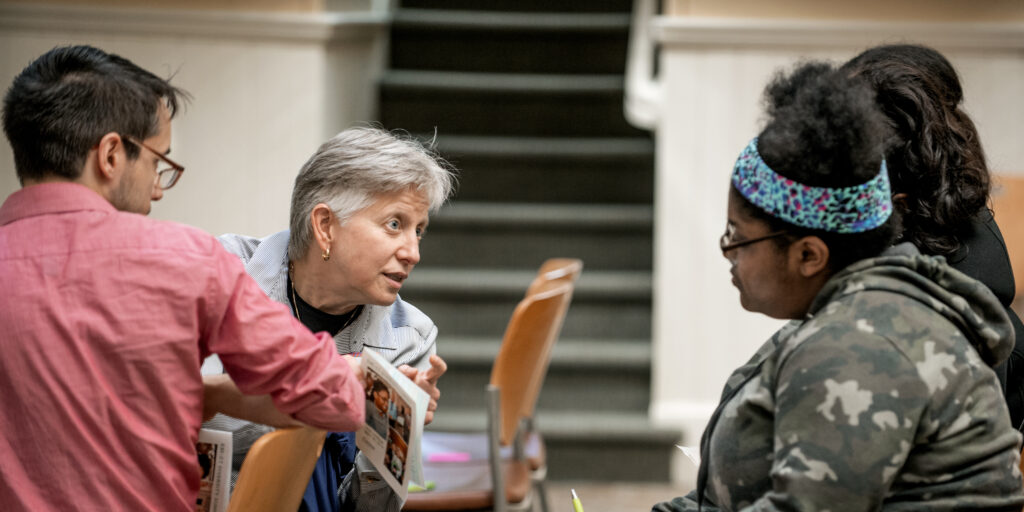
Even as publishers are getting more high-quality curriculum materials into the marketplace, teachers continue to struggle to access those materials. A recent report from the nonprofit curriculum reviewer EdReports found that less than half of U.S. teachers believe their instructional materials align with learning standards.
Read MoreStories
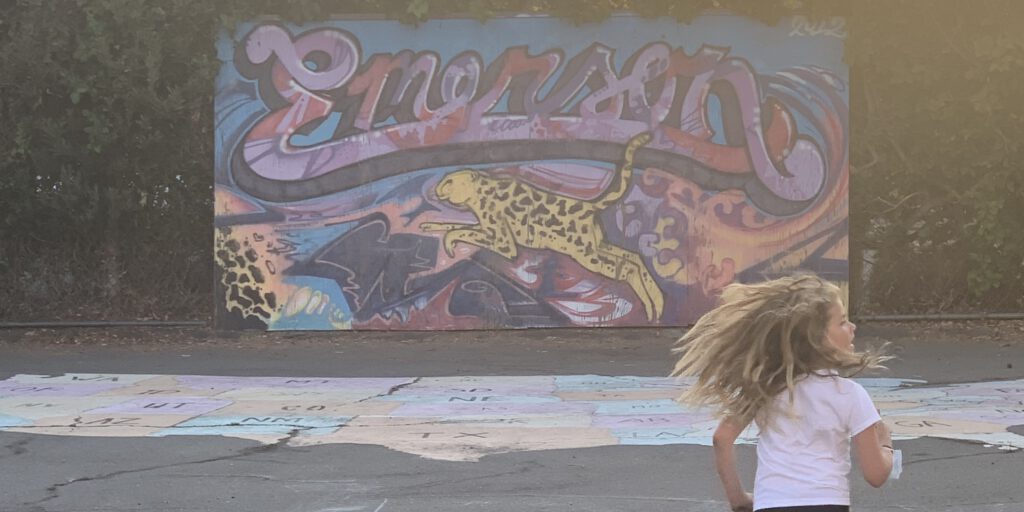
The Fear That Drove Scores of White Families Out of Public Schools
As a parent with two children in a so-called “failing” school in one of the most dysfunctional districts in the nation, I empathize with all the ambient fear. It’s a scary time to be charged with raising small humans. But I deeply believe that our kids will not be safer until we–especially the white and privileged among us–learn how to interact with schools as the public institutions they are, the foundation of our fragile democracy.
Read More
Across Colors Ep. 2: Oh, It’s Both of Y’all!
Episode 2 of “Across Colors” hosted by Tanzina Vega.
Read More
Don’t Create Math Trauma by Shaming Students’ Curiosity
We must teach students that math is a language.
Read More
Friday 5 9/9/22: Check Out Across Colors, Your New Favorite Education Podcast, and More For Your Weekend
Check out Across Colors, your new favorite education podcast, plus more for your weekend.
Read More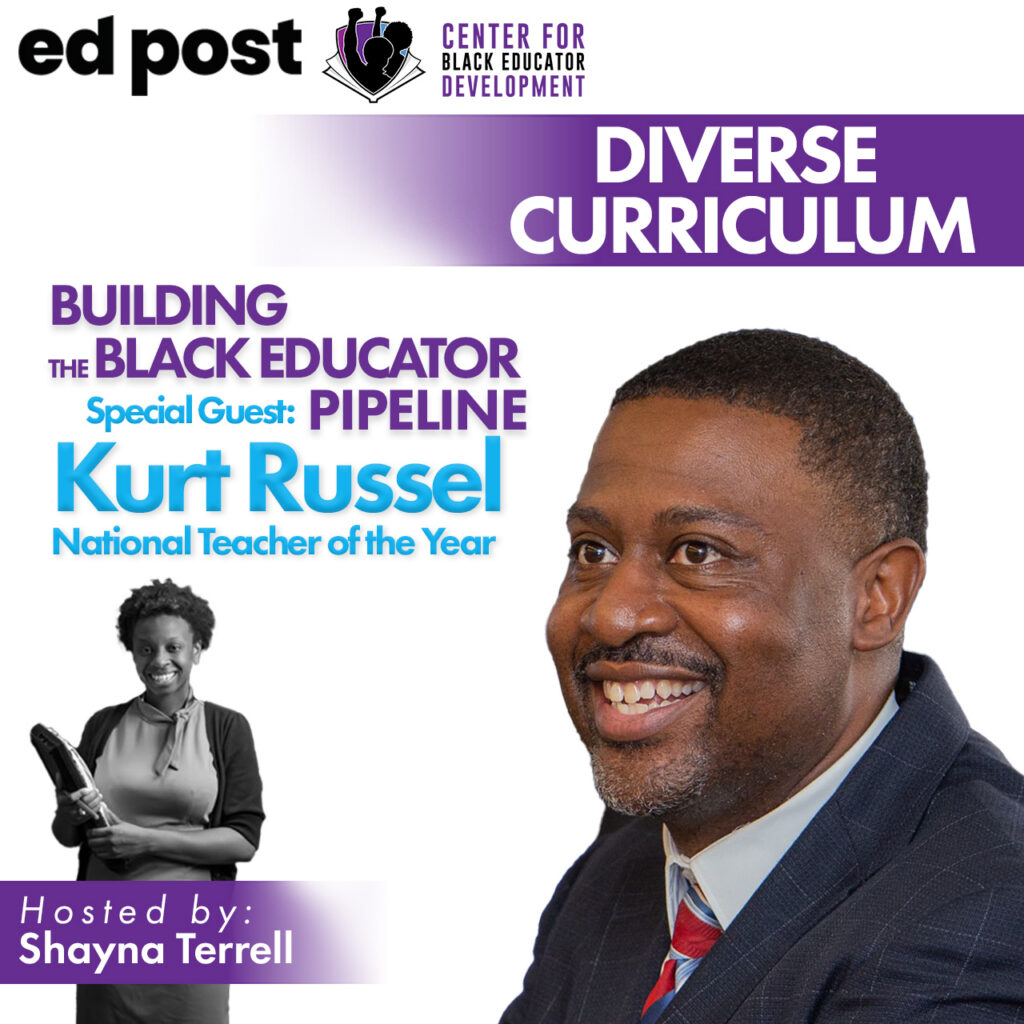
S2E17: Be the Change You Want To See (ft. Kurt Russell, National Teacher of the Year)
Kurt Russell, 2022 National Teacher of the Year, joins us to discuss how a diverse curriculum can enrich our youth.
Read More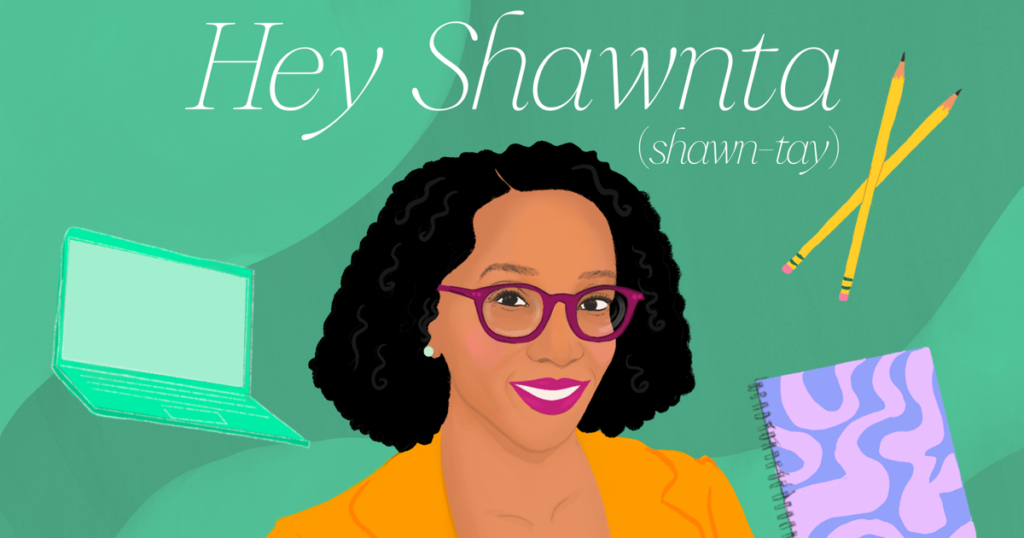
Hey Shawnta! How Do I Build a Relationship With My Child’s Teacher When We Only Connect Through Remind?
Try asking better, targeted, and more specific questions when communicating with the teacher about your child. Specific questions tend to get specific answers.
Read More
Introducing Across Colors
Ed Post’s latest podcast, Across Colors, follows parents who are stepping up for not only their own kids, but all the children in their community.
Read More
How Privilege, Positionality and Power Can Radically Improve Your Relationships With Students
Mind your three P’s—privilege, positionality, and power—and you may soon see huge results in your classroom relationships.
Read More